P0 / Core disease wedge
Parkinson's
Target
L-DOPA
Stage
Animal-study prep
Timeline
2026
The world's first clinically viable continuous L-DOPA monitor
building the data infrastructure for precision Parkinson's therapy.
We start with continuous L-DOPA monitoring, then extend the same platform into kidney function, hormones, TDM, and cardiovascular small molecules.
The core issue in long-term Parkinson's care is not one missing product. It is a full causal chain created by the absence of continuous objective monitoring.
There is no continuous objective monitoring of L-DOPA concentration in blood or interstitial fluid. Clinicians depend on patient recall and periodic scales.
L-DOPA remains the gold-standard therapy, but without concentration feedback, dose and timing optimization remain experience-led.
As disease progresses, wearing-off, dyskinesia, and on-off fluctuations keep eroding daily function and quality of life.
System resources are spent on complication handling instead of earlier prevention.
people live with Parkinson's globally, and 80% of late-stage patients develop motor complications. L-DOPA has remained experience-dosed for 60 years; upstream objective monitoring can reshape the value chain.
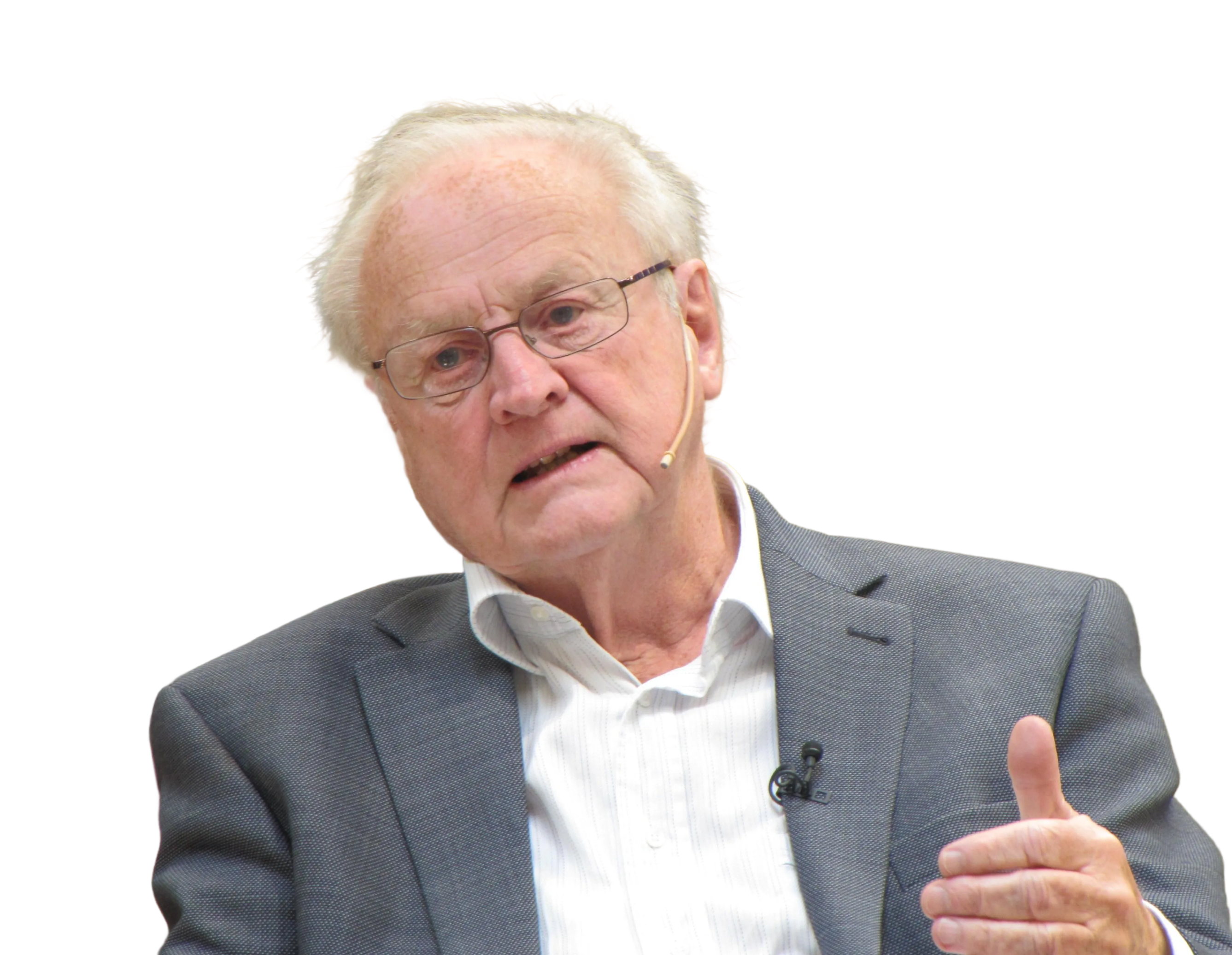
His dopamine research established the scientific foundation for L-DOPA therapy in Parkinson's disease.
DopaMatch is not a standalone hardware idea. It combines an L-DOPA sensor, the MatchPD AI data ecosystem, and a data flywheel.
A subcutaneous single-microneedle enzymatic electrochemical sensor continuously outputs interstitial L-DOPA curves for objective drug-concentration evidence.
Pharma real-world research:Continuous drug concentration and movement data support RWE studies. / Hospital workflow:Home-state signals become continuous curves and visit-ready reports. / Patient daily use:Symptoms, dosing, movement, and concentration changes enter one daily loop. / Academic real-world research:Structured data supports long-term PD medication and motor-complication studies.
Real-time drug concentration, movement sensors, and behavior logs calibrate each other to build an increasingly complete drug-motor axis.
The key difference is not measuring concentration alone. It is binding real-time drug concentration to patient motor status so clinicians can see how pharmacokinetics map to function.
The key difference is not measuring concentration alone. It is binding real-time drug concentration to patient motor status so clinicians can see how pharmacokinetics map to function.
Continuous drug concentration and movement data support RWE studies.
Home-state signals become continuous curves and visit-ready reports.
Symptoms, dosing, movement, and concentration changes enter one daily loop.
Structured data supports long-term PD medication and motor-complication studies.
The core capability is not a single model or sensor. It is an engineering loop from data, design, wet-lab validation, and hardware acquisition.
The same AI design, wet-lab validation, and miniature electrochemical hardware stack can be reused across different small-molecule targets instead of rebuilding the system target by target.
Continuous / PoC complete
POCT / Principle validated
Continuous TDM / Concept design
Continuous TDM / Concept design
POCT / continuous / Literature review
We start with continuous L-DOPA monitoring, then extend the same platform into kidney function, hormones, TDM, and cardiovascular small molecules.
| Priority | Target | Why it matters | Format | Stage | Timeline |
|---|---|---|---|---|---|
| P0 | L-DOPA | Key to Parkinson's therapy | Continuous monitoring | Animal-study prep | 2026 |
| P1 | Creatinine | Important marker for kidney-function monitoring and chronic care | Continuous monitoring | R&D validation | 2026+ |
| P1 | Cortisol | Core stress and metabolic hormone; circadian rhythm requires continuous capture | POCT / continuous | Pipeline design | 2027+ |
| P1 | Vancomycin | Core ICU anti-infective with a narrow therapeutic window requiring real-time TDM | Continuous monitoring | Pipeline design | 2027+ |
| P1 | Tacrolimus | Core anti-rejection drug for organ transplants; large interpatient variability | Continuous monitoring | Pipeline design | 2027+ |
| P2 | Homocysteine | Independent cardiovascular and cerebrovascular risk factor for high-throughput screening | POCT | Pipeline design | 2028+ |
| P2 | 5-FU / ANP | Future expansion for oncology TDM and cardiovascular-state monitoring | TDM / POCT | Concept design | 2029+ |
The value in long-term Parkinson's care comes from seeing drug concentration, motor state, and complication risk earlier instead of reacting after disability appears.
Objective PK data is missing。L-DOPA dose adjustment still lacks continuous feedback
Patient recall bias。Clinicians cannot easily join pharmacokinetics, motor state, and daily events into one evidence chain
Delayed long-term outcomes。Wearing-off, dyskinesia, falls, and aspiration force systems into reactive resource use
Engine A accelerates enzyme directed evolution; Engine B drives programmable recognition elements — new targets reuse the hardware.
Layered microneedle modification and a growing hardware-and-enzyme patent system.
Continuous concentration × PK-PD × covariates — accuracy compounds with every new patient.
Pharma real-world research, hospital workflows, patient daily records, and academic studies share one continuous data entry point.
UCSB aptamers last ~1.5h in vivo; CGM giants need 4–6 yrs to migrate stack; StrivePD has motion data, no concentration — complementary, not competitive.
The team moved from an international biosensor competition to cross-disciplinary prototype validation, clinical insight, and a focused translational direction in continuous L-DOPA monitoring.
Focused on research validation and PoC, proving the continuous biosensor pathway first.
Links concentration feedback, movement data, and visit reports for clinical continuous monitoring scenarios.
Moves toward medical-device validation and multimodal sensing, preserving an expandable small-molecule monitoring platform.
WiSe Lab, Zhao Lab, iHuman, ShanghaiTech BME, and the School of Life Science support the full-stack iteration from AI-driven biomaterial design to wearable monitoring.
A multidisciplinary undergraduate team pushing the boundaries of wearable health technology.
Analytical Performance Global Champion · Innovation Global Runner-up.
We are looking for first-cohort research-edition customers (CROs, pharma, academic labs) and neurology KOLs.